Need tree removal in Beverly?
Request a callback to check provider availability, or send the request form with a few details about your tree. No obligation.
No obligation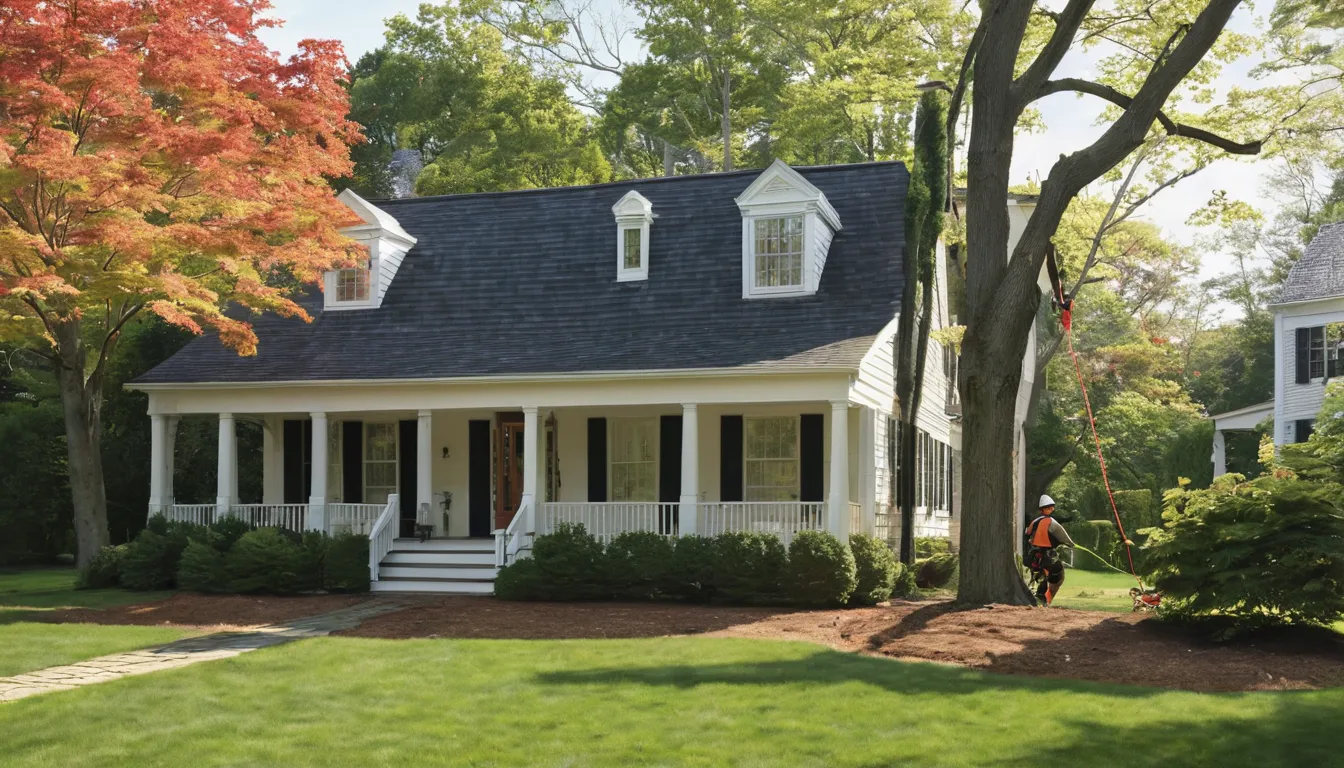
A tree problem rarely fixes itself. A lean gets worse, a cracked limb lets go in the next wind, and roots lift a walk or crack a slab. Rolledshortly Tree Service is a referral service. We link homeowners in Beverly with independent tree providers so you spend less time searching and more time talking to someone who can look at the job.
The providers in our network do the cutting, lowering and hauling. You decide what to do first. Photograph the tree, note what it could hit, and keep people and pets clear. Request a callback to check provider availability, or send an estimate request and compare written quotes. Small problem, early call.
Grab your phone before your tools. Take a few clear photos of the whole tree, the base, and anything it could hit. Note any cracks, new lean, lifted soil or dead branches. That quick set of pictures helps a provider judge the job faster.
Then decide how urgent it feels. If the tree is touching a house, a wire or a car, treat it as urgent. If it is just old and ugly, you have time to compare quotes.
Handy homeowners can do a lot. A tree is where that stops. Falling wood is heavy, and it does not move the way you expect.
Anything above shoulder height. Anything near power lines. Any tree with a lean, a split trunk or hanging limbs. Chainsaws on ladders cause real injuries, so leave that work to a provider with the right gear.
Coastal storms, heavy wet snow and ice can drop limbs or whole trees fast. If a trunk is on your roof or blocking your driveway, that is emergency tree removal territory. Stay out of the area, keep clear of any wires, and call your utility if lines are down.
Many providers handle storm tree clearance, but availability shifts when lots of neighbors need help at once. Request a callback to check provider availability, and ask what they can do first, like tarping or clearing a path.
Most removals come down to a few reasons:
Older homes with stone or block foundations and tight lots often have big trees close to the walls. That makes early checks worth the time.
Every provider works a little differently, but the steps look alike.
The provider checks the height, the lean, the health of the wood and what sits below. They pick a plan: fell it whole, or take it down in sections.
In tight yards, crews often climb and lower pieces on ropes. This is the usual tree falling service for homes close to a street or neighbor. Open yards may allow a straight felling cut. Some jobs need a crane.
Logs, brush and sawdust get cut up and hauled, or left as firewood if you ask. Confirm this before the day.
Size is the big one. Taller trees with wide canopies cost more. Access matters too. A tree behind a fence or over a roof takes more time and gear.
Condition counts as well. A dead tree can be brittle and risky, which raises the effort. Storm jobs often cost more because of danger and demand. Hauling, wood chipping and stump work are add-ons.
Get a quote in writing that lists what is included. Compare at least two. A big gap often means the scope is different.
Some towns protect larger or older trees, and some require a permit even on your own lot. Trees near a street, wetland or property line can have extra rules. Rules vary, so check with your town office before work starts. Ask your provider if they know the local steps, but the permit is your responsibility.
A shared boundary tree should be talked over with the neighbor first. It saves headaches later.
Providers in our network are independent, so ask them the basics yourself:
Be wary of anyone who pushes you to sign on the spot or asks for full payment up front.
A little prep keeps the day smooth. Move cars to the street. Clear the area under and around the tree. Put away garden gear, grills and kids' toys. Tell neighbors there will be noise. Make sure gates are unlocked so crews can reach the work. Keep pets indoors.
Walk the yard with the provider before they leave. Check the lawn, fence and roof for damage. Decide what to do with the wood. Firewood needs a season of drying. Chips make good mulch.
The stump is still there. Ask whether grinding is part of your quote or a separate job. If the removal followed a storm, photograph everything. Some policies may cover sudden damage, so check your policy. Providers can often help document damage for a claim.
The freeze-thaw cycle and spring snowmelt can shift soil around a fresh hole, so fill and seed low spots in spring.
Providers climb or rig large limbs and lower them in pieces, which helps in tight yards near homes.
Trees near roofs, fences and wires come down in controlled sections instead of one risky drop.
Many providers cut up limbs, haul brush and rake the area. Confirm cleanup in your written quote.
Some providers clear trunks and limbs after wind and snow, so you can reach your driveway and yard.
Prices vary by tree size, access and condition. These are typical U.S. ranges only. Your local quote may land above or below them, so always ask for a written estimate.
| Job type | Typical range | Notes |
|---|---|---|
| Small tree (under 30 ft) | $150 – $500 | Easy access, quick cut and haul |
| Medium tree (30–60 ft) | $400 – $1,200 | Often needs rigging near homes |
| Large tree (60 ft and up) | $1,000 – $3,000 | Height and wide canopy add time |
| Storm-damaged or tree on a structure | $1,500 – $5,000 | Higher risk and demand raise the price |
| Crane-assisted removal | $2,000 – $6,000 | Used when access is very tight |
| Stump grinding add-on | $100 – $500 | Depends on stump width and roots |
Request a callback or send the request form with a few photos and a short note on the tree.
We connect you with an independent local provider who handles tree jobs in your area.
Check scope, cleanup, stump work and permits before you agree to anything.
Pick a time with the provider, then clear cars and gear from the work area.
Send a quick request through the form, and Rolledshortly Tree Service will connect you with an independent local provider in our network. You skip the long list of browser tabs.
We explain what drives costs so you can read a quote with confidence.
Ask providers for written scope and price, so you can compare jobs side by side.
We are a referral service. Independent providers do the work and set their own terms.
Request a callback to check provider availability, or send the request form with a few details about your tree. No obligation.
No obligationTypical U.S. prices run from about $150 for a small tree to $3,000 or more for a large one. Access, height, condition and cleanup all change the number, so get a written quote before work starts.
Small, low saplings are fine with hand tools. Anything tall, leaning, split or near a house or wires should go to a pro. Falling wood is heavy and unpredictable, so know when to stop.
It depends on your town. Some places protect larger or older trees, or trees near streets and wetlands. Check with your local town office before work begins, since the permit is the homeowner's responsibility.
Request a callback to check provider availability, or send the request form with a few details about your tree. No obligation.
No obligation